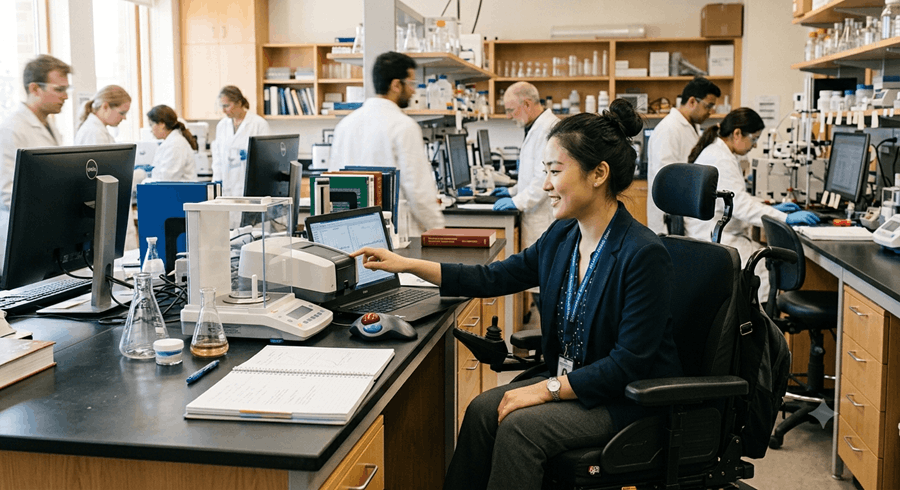

Pursuing a doctoral degree is a demanding journey that requires intellectual dedication, resilience, and long-term commitment. For Disabled PhD Students, the experience can include additional challenges related to accessibility, health management, and institutional support. However, with the right accommodations, inclusive policies, and supportive academic environments, students with disabilities can thrive and make significant contributions to research and innovation.
Universities around the world are increasingly recognizing the importance of creating accessible doctoral education by removing barriers and ensuring equal opportunities for all researchers. From physical accessibility and flexible study arrangements to assistive technologies and mental health services, many institutions now provide resources designed to help disabled doctoral candidates succeed.
This guide explains what disability means within the context of PhD study, outlines the legal rights of doctoral students with disabilities, explores available accommodations and support services, and provides practical advice for completing a doctorate successfully. Whether you are considering a PhD, currently enrolled, or supporting someone through their doctoral journey, this article offers valuable information to help you navigate higher education with confidence.
What Counts as a Disability in a PhD Context?
In a doctoral setting, disability is broadly understood as a long-term physical, mental, sensory, intellectual, or neurological condition that substantially affects a person’s ability to carry out everyday activities. The definition extends beyond visible disabilities and includes many conditions that may not be immediately apparent.
Common examples include:
- Mobility impairments requiring wheelchair access or mobility aids.
- Visual impairments, including partial or complete blindness.
- Hearing loss or deafness.
- Chronic illnesses such as multiple sclerosis, diabetes, Crohn’s disease, or chronic fatigue syndrome.
- Mental health conditions including depression, anxiety disorders, bipolar disorder, or PTSD.
- Neurodivergent conditions such as ADHD, autism spectrum disorder, dyslexia, and dyspraxia.
- Long-term neurological disorders affecting concentration, movement, or communication.
It is also important to distinguish between temporary and chronic conditions. Temporary injuries, such as a broken leg or recovery from surgery, may qualify for temporary academic adjustments depending on university policy. In contrast, chronic or permanent disabilities typically require ongoing accommodations throughout the doctoral program.
Most countries define disability through legislation that focuses on the long-term nature of the condition and its substantial impact on daily life. Universities generally follow these legal definitions when determining eligibility for disability support services and academic accommodations.
Legal Rights of Disabled PhD Students
Most countries have legislation that protects students with disabilities from discrimination in higher education. These laws require universities to provide equal access to admissions, teaching, research opportunities, examinations, and graduation requirements.
Importantly, universities cannot reject qualified applicants simply because they have a disability. Admissions decisions should be based on academic merit rather than assumptions about an applicant’s medical condition or support needs.
One of the most important legal concepts is reasonable adjustments. These are practical changes made to remove unnecessary barriers without fundamentally changing the academic standards of the program.
Reasonable adjustments may include:
- Extended examination time.
- Alternative assessment formats.
- Flexible attendance requirements.
- Accessible learning materials.
- Modified laboratory arrangements.
- Remote participation when appropriate.
Students should become familiar with their university’s disability policies early in their studies. Keeping documentation of communications, accommodation agreements, and medical evidence can be valuable if concerns arise later. Understanding institutional procedures also helps students advocate effectively for their rights.
Accessible Doctoral Programs: What Makes a PhD Program Inclusive?
Accessible doctoral programs are designed to ensure that every student can fully participate in research regardless of disability. Accessibility goes beyond installing ramps or elevators—it involves creating an inclusive academic environment where barriers are proactively removed.
An inclusive doctoral program typically offers:
Physical Accessibility
- Accessible buildings and laboratories.
- Elevators and step-free access.
- Adaptive laboratory equipment.
- Accessible housing options.
Academic Accessibility
- Digital documents compatible with screen readers.
- Captioned lecture recordings.
- Alternative examination formats.
- Accessible online learning platforms.
Flexible Research Arrangements
Research timelines are not always predictable, particularly for students managing chronic health conditions. Inclusive programs often allow:
- Flexible deadlines.
- Part-time enrollment options.
- Adjusted research milestones.
- Leave of absence without academic penalties.
Hybrid and Remote Learning
Many universities now support hybrid supervision, online seminars, and remote meetings. These options can significantly improve participation for students with mobility limitations, chronic illnesses, or fluctuating health conditions.
Inclusive Academic Culture
Accessibility also depends on attitudes within the university. Faculty members, supervisors, and administrative staff who understand disability inclusion create an environment where students feel respected, supported, and able to perform at their best.
Accommodations for Disabled Graduate Students
Accommodations for disabled graduate students vary depending on individual needs, research requirements, and institutional policies. The purpose is to remove barriers while maintaining academic standards.
Common accommodations include:
- Extended assignment and dissertation deadlines.
- Additional examination time.
- Alternative assessment methods.
- Speech-to-text and text-to-speech software.
- Screen readers and magnification tools.
- Ergonomic workstations.
- Accessible laboratory equipment.
- Research assistants for specific physical tasks.
- Sign language interpreters.
- Note-taking services.
- Flexible work schedules.
- Remote supervision meetings.
To request accommodations, students typically need to:
- Contact the university’s disability support office.
- Submit appropriate medical or psychological documentation.
- Meet with an accessibility advisor.
- Discuss appropriate accommodations based on individual circumstances.
- Review accommodation plans regularly as research progresses.
Early communication is recommended because arranging accommodations may take several weeks, particularly for specialized equipment or laboratory modifications.
Support for PhD Students with Disabilities
Strong Support for PhD students with disabilities can significantly improve academic success, wellbeing, and research productivity. Most universities offer multiple layers of assistance throughout the doctoral journey.
Available support often includes:
Disability Support Offices
These offices coordinate accommodations, advise students on accessibility, and communicate with academic departments when necessary.
Financial Assistance
Many institutions provide disability-related grants, funding for assistive technology, accessible housing support, or research funding for disability-related expenses.
Peer Support Networks
Connecting with fellow doctoral students who have similar experiences can reduce isolation and provide valuable practical advice.
Mentoring Programs
Experienced researchers and faculty mentors can help students navigate academic expectations while balancing disability-related challenges.
Mental Health Services
Counseling, stress management programs, and psychological support can be especially valuable during demanding stages such as comprehensive exams, fieldwork, or dissertation writing.
Career Development Services
Inclusive career advisors can assist with networking, conference accessibility, job applications, and transitioning into academic or industry careers.
Together, these resources help create a more equitable research environment where students can focus on producing high-quality scholarship rather than overcoming unnecessary barriers.
Tips for Completing a PhD with a Disability
These Tips for completing a PhD with a disability can help doctoral students manage challenges while maintaining academic progress.
- Communicate openly with your supervisor about approved accommodations and changing needs.
- Register with disability support services as early as possible.
- Keep copies of all accommodation agreements and important correspondence.
- Break large research tasks into manageable milestones.
- Prioritize energy management and schedule demanding work during your most productive periods.
- Use assistive technologies to improve reading, writing, organization, and data analysis.
- Build a reliable support network that includes supervisors, peers, family, and healthcare professionals.
- Learn your legal rights and university policies.
- Request assistance before small challenges become major obstacles.
- Celebrate progress rather than focusing only on the final dissertation submission.
Successful doctoral study is not about working without difficulty—it is about finding effective strategies that allow consistent progress over time.
When Things Go Wrong: What to Do
Despite legal protections, some doctoral students may experience discrimination, inaccessible environments, or failures to implement agreed accommodations.
If problems arise:
- Document all incidents with dates, emails, and relevant evidence.
- Speak with your supervisor if the issue can be resolved informally.
- Contact the university’s disability support office for guidance.
- Escalate concerns to the department chair, graduate school, or relevant academic administrator if necessary.
- Use the university’s formal complaints or grievance procedures.
- Seek advice from student unions, ombuds services, or legal advocacy organizations when appropriate.
- If institutional processes fail, consider external legal or regulatory bodies responsible for enforcing disability rights in your country.
Acting promptly and maintaining detailed records can make it easier to resolve disputes and protect your academic progress.
Conclusion
Completing a PhD while managing a disability is undoubtedly challenging, but it is entirely achievable. With accessible doctoral programs, reasonable accommodations, legal protections, and strong support systems, disabled researchers can thrive in academia and contribute meaningful knowledge to their fields.
Understanding your rights, requesting accommodations early, building supportive relationships, and making use of available university resources can significantly improve your doctoral experience. If you are considering a PhD, take the time to explore institutions that prioritize accessibility and inclusion, and don’t hesitate to access the support services designed to help you succeed.

ScholarLink AI
Your Ultimate Admission Co-Pilot
- 🎓 Professors Database: World’s largest supervisor directory
- 📡 Live Positions: Real-time faculty openings & vacancies
- 👥 Students Database: Connect with successful applicants
- 🎯 Smart Matching: AI-driven professor recommendation
- 💰 Funding Analysis: Real-time lab & research funding data
- 📝 Apply Management: Track applications & cold emails