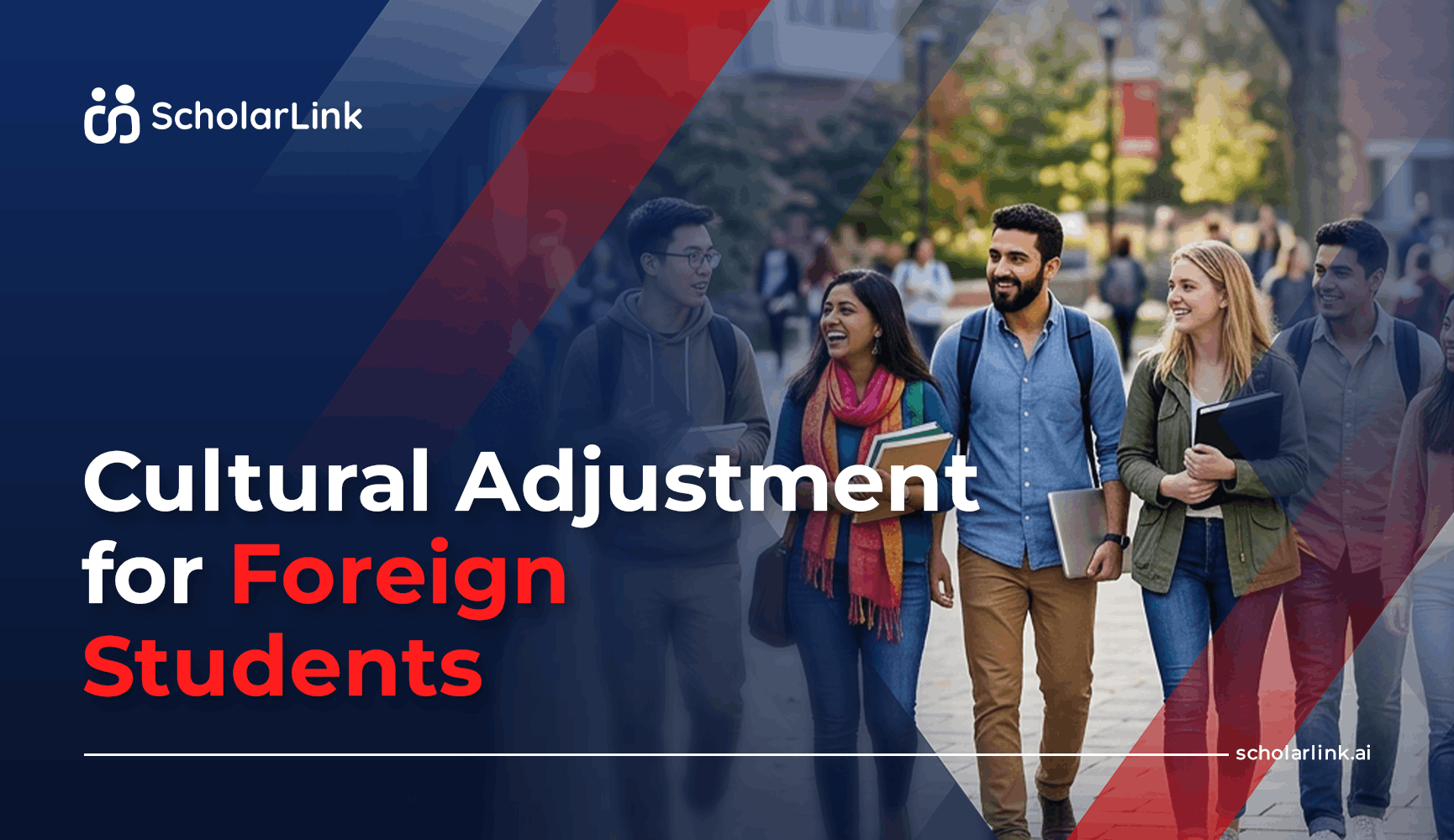

Stepping into a foreign country as an international student is an exhilarating milestone, but it also marks the beginning of a profound transformation. Beyond academic ambitions, how international students adapt to a new culture becomes the defining narrative of their journey abroad. Moving to an unfamiliar environment forces students to navigate different social norms, lifestyles, and expectations all at once.
Achieving successful cultural adjustment is not just about feeling comfortable—it is essential for mental well-being, personal growth, and long-term academic success when moving to top destinations for Master’s and PhD degrees. Developing effective cultural adjustment tips for students studying abroad turns what feels like an overwhelming transition into a life-changing opportunity for resilience and self-discovery.
Challenges Faced by International Students in a Foreign Country
While the prospect of earning a degree abroad is exciting, the reality often comes with steep psychological, social, and logistical hurdles. Understanding the main challenges faced by international students in a foreign country is the first step toward overcoming them:
-
Language and Communication Barriers: Even students who score high on language proficiency tests (like IELTS or TOEFL) often struggle with local accents, fast-paced speech, regional slang, and subtle humor. This gap can cause social anxiety and hesitation during classroom debates.
-
Culture Shock and Lifestyle Differences: Everyday norms—ranging from dietary habits and climate variations to implicit rules of politeness and personal space—can differ drastically from a student’s home country, causing underlying stress.
-
Isolation and Homesickness: Being thousands of miles away from family, friends, and familiar comfort zones frequently leads to intense periods of loneliness, especially during holidays or stressful exam periods.
-
Academic System Adaptation: Differing educational expectations—such as an emphasis on independent critical thinking, oral presentations, or strict plagiarism policies—can shock students. Properly evaluating these academic environments while choosing the right PhD program and university can significantly ease this academic transition.
-
Financial and Administrative Stress: Managing budgets in a new currency, finding off-campus housing, and navigating complex visa regulations add a layer of daily operational pressure.
Statistical Insight: Surveys consistently show that over 60% to 70% of international students report experiencing significant culture shock or feelings of isolation within their first six months in a new country.
Find Your Next Academic Position!
Browse thousands of Master’s & PhD positions, funding opportunities, and research projects worldwide.
Explore PositionsSupport Services for Cultural Integration of International Students
Navigating cultural transition does not have to be a solo journey. Universities and host communities provide a wide array of dedicated support services for cultural integration of international students designed to accelerate adaptation and foster connection:
1. International Student Offices & Counseling
Most institutions feature dedicated international student advisor centers. These departments provide crucial assistance with visa compliance, legal paperwork, and housing. Additionally, university health centers offer culturally sensitive mental health counseling to help students manage anxiety and homesickness.
2. Peer Mentoring & “Buddy” Programs
Many campuses run buddy initiatives that pair incoming international students with senior domestic or international peers. Mentors share practical cultural adjustment tips for students studying abroad, such as navigating local transportation, finding ethnic grocery stores, and understanding classroom etiquette.
3. Student Clubs, Societies & Cultural Events
Joining campus organizations—whether cultural, academic, or interest-based—is one of the fastest ways to build a social circle. Academic clubs focused on social dynamics or trending research topics in sociology, as well as university-hosted cultural nights and language-exchange cafes, encourage organic interactions and reduce isolation.
4. Career Services & Workshops
Integrating into a culture also means understanding its professional environment and academic markets. Career centers offer workshops on local resume formats, interview etiquette, and field-specific options—such as securing global research opportunities in life sciences or STEM industries—empowering students to navigate their future careers confidently.
5. Online Support Networks & Digital Communities
Student-led forums, university messaging channels, and social media groups serve as immediate lifelines. These platforms allow students to ask quick daily questions, share local tips, and coordinate study groups or weekend outings.
Conclusion
Adapting to a new culture is not an overnight event; it is a gradual, dynamic process that begins from the early stages of application—such as crafting a strong PhD cover letter—and extends through daily life abroad. While initial hurdles can feel daunting, students do not have to face them alone. By actively using practical coping strategies, engaging with campus communities, and leveraging university support services, international students can successfully bridge the cultural gap. Ultimately, overcoming these challenges transforms the study abroad journey into an empowering, deeply enriching experience that builds lifelong global perspectives.

ScholarLink AI
Your Ultimate Admission Co-Pilot
- 🎓 Professors Database: World’s largest supervisor directory
- 📡 Live Positions: Real-time faculty openings & vacancies
- 👥 Students Database: Connect with successful applicants
- 🎯 Smart Matching: AI-driven professor recommendation
- 💰 Funding Analysis: Real-time lab & research funding data
- 📝 Apply Management: Track applications & cold emails