Study STEM in the United States: Programs, Universities & Opportunities
Category
Country Guides
A category offering practical information about studying and researching in different countries. It covers admission systems, supervisor expectations, funding options, and cultural insights, helping applicants navigate academic environments worldwide and make informed decisions about where to pursue graduate or postdoctoral opportunities.
Reaching out to a prospective doctoral advisor is one of the most critical steps in the graduate application process. A well-crafted initial message establishes early academic rapport, demonstrates your grasp of a shared field, and confirms whether a research group ...
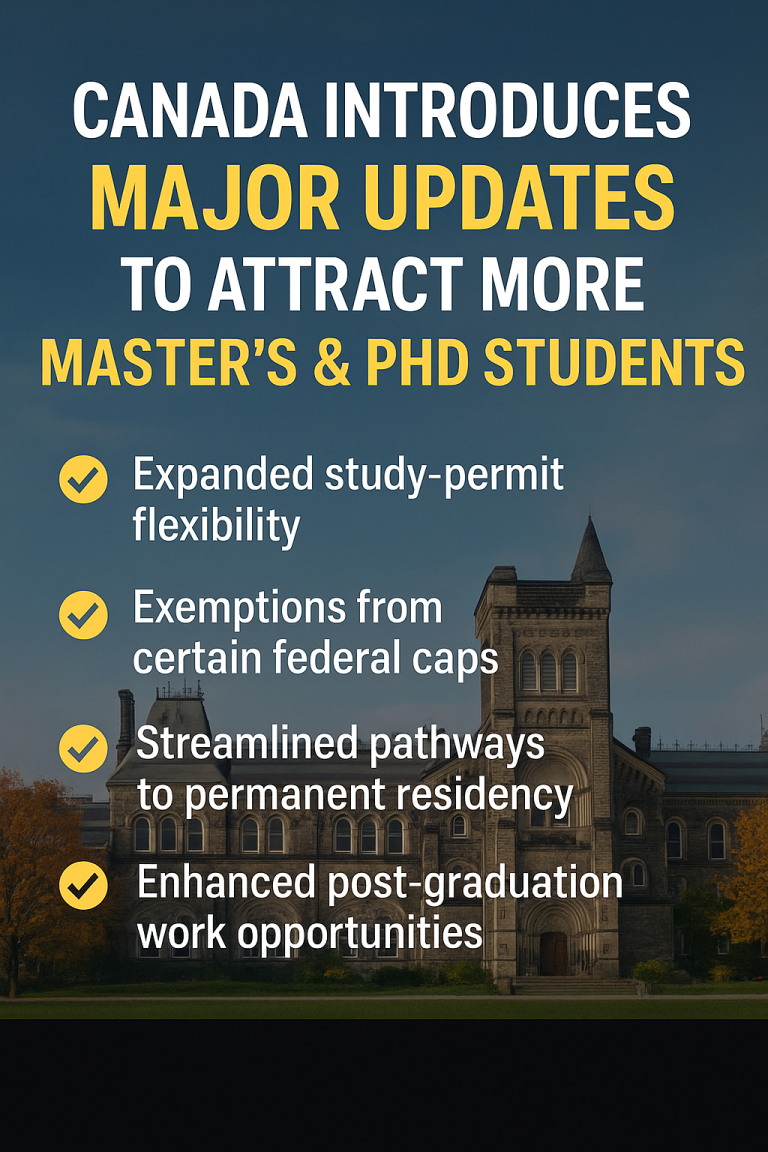
Global competition for international talent is intensifying, and countries are increasingly recognising the value of attracting top researchers. Canada has emerged ....
What is the difference between a scholarship and a funded PhD position?
A scholarship is an award you apply for, usually from a government, foundation or university, that covers some or all of your costs. A funded PhD position is normally tied to a specific project or lab, with the salary or stipend paid from the professor's grant or the department's budget.
When should I start applying for scholarships?
Many major scholarships close well before the university's own application deadline, often close to a year before the programme starts. Begin your research at least twelve months ahead and check each scholarship's dates individually.
Can I apply for more than one scholarship at the same time?
In most cases, yes. Some programmes do not allow you to hold two awards at once, so read each scholarship's rules on combining funding before you accept an offer.
Does “fully funded” always include living costs?
Not always. Some offers cover tuition only, while others add a monthly stipend, health insurance or travel costs. Read your offer letter carefully to see exactly what is included.